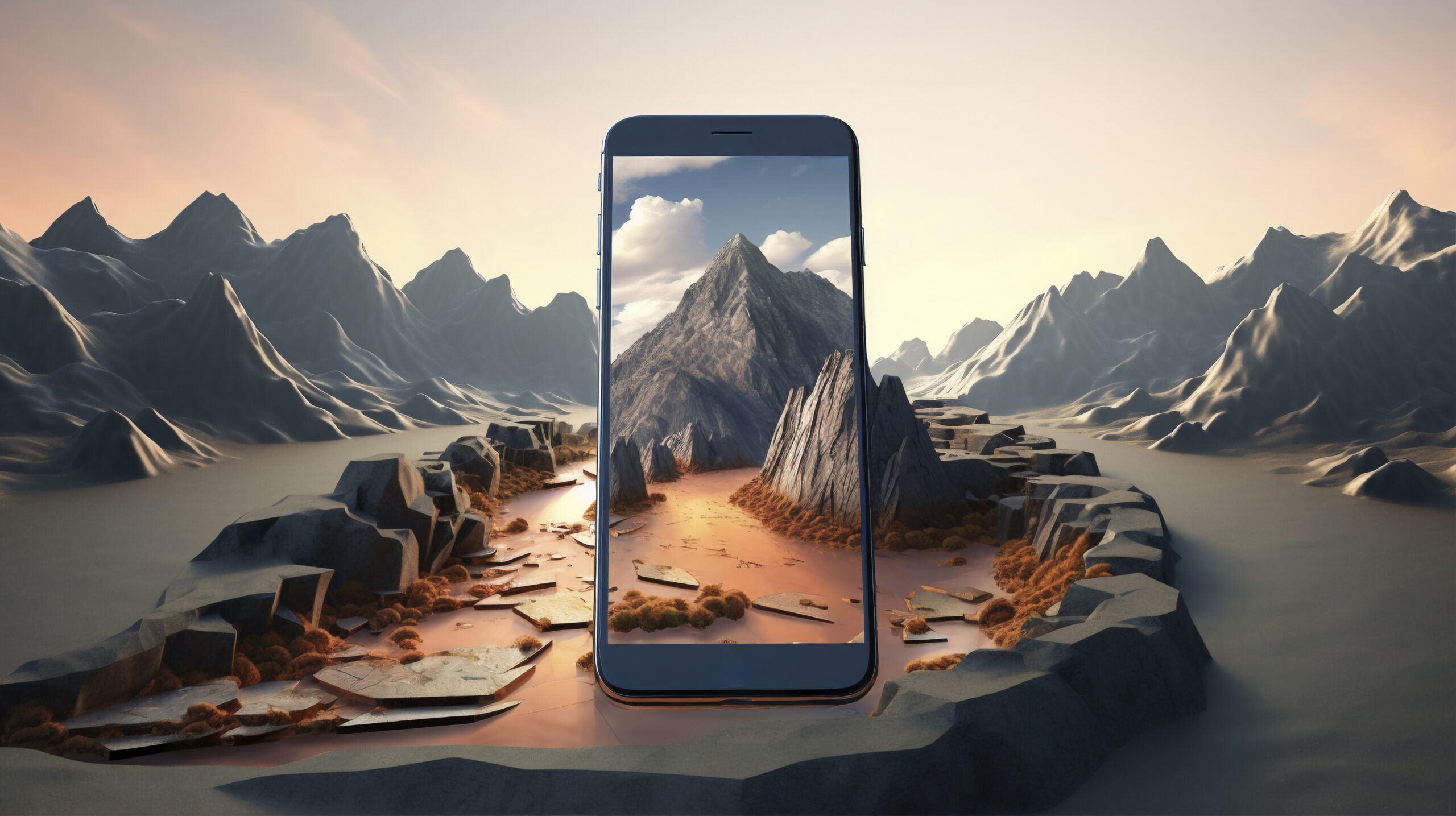
In the modern digital landscape, the boundaries between the physical and virtual worlds are blurring. We are no longer confined to observing designs on flat screens; we are entering them. At the heart of this revolution lie two transformative technologies: Augmented Reality (AR) and Virtual Reality (VR). However, the breathtaking realism of a VR walkthrough or the seamless integration of an AR furniture piece in your living room doesn’t happen by accident.
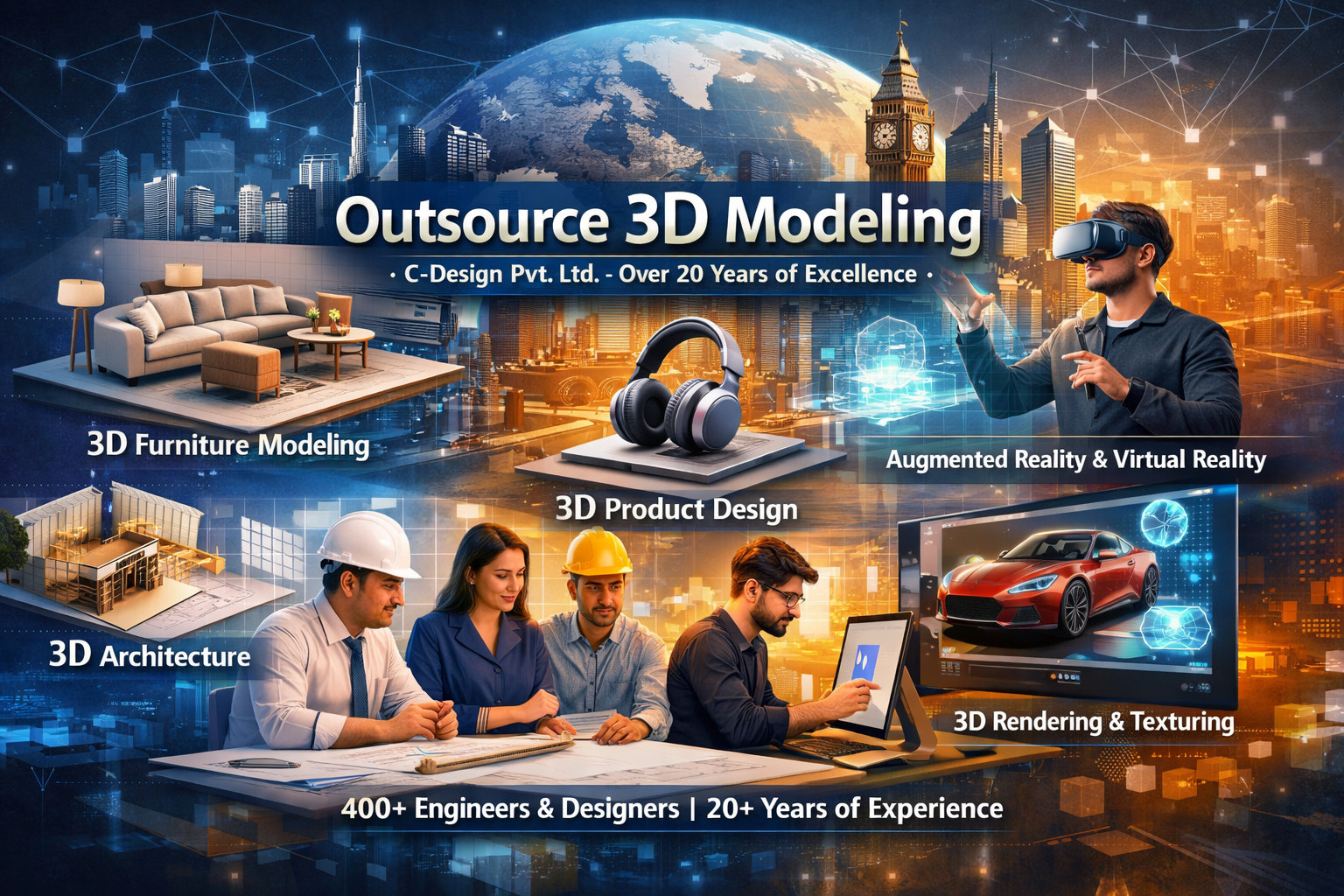
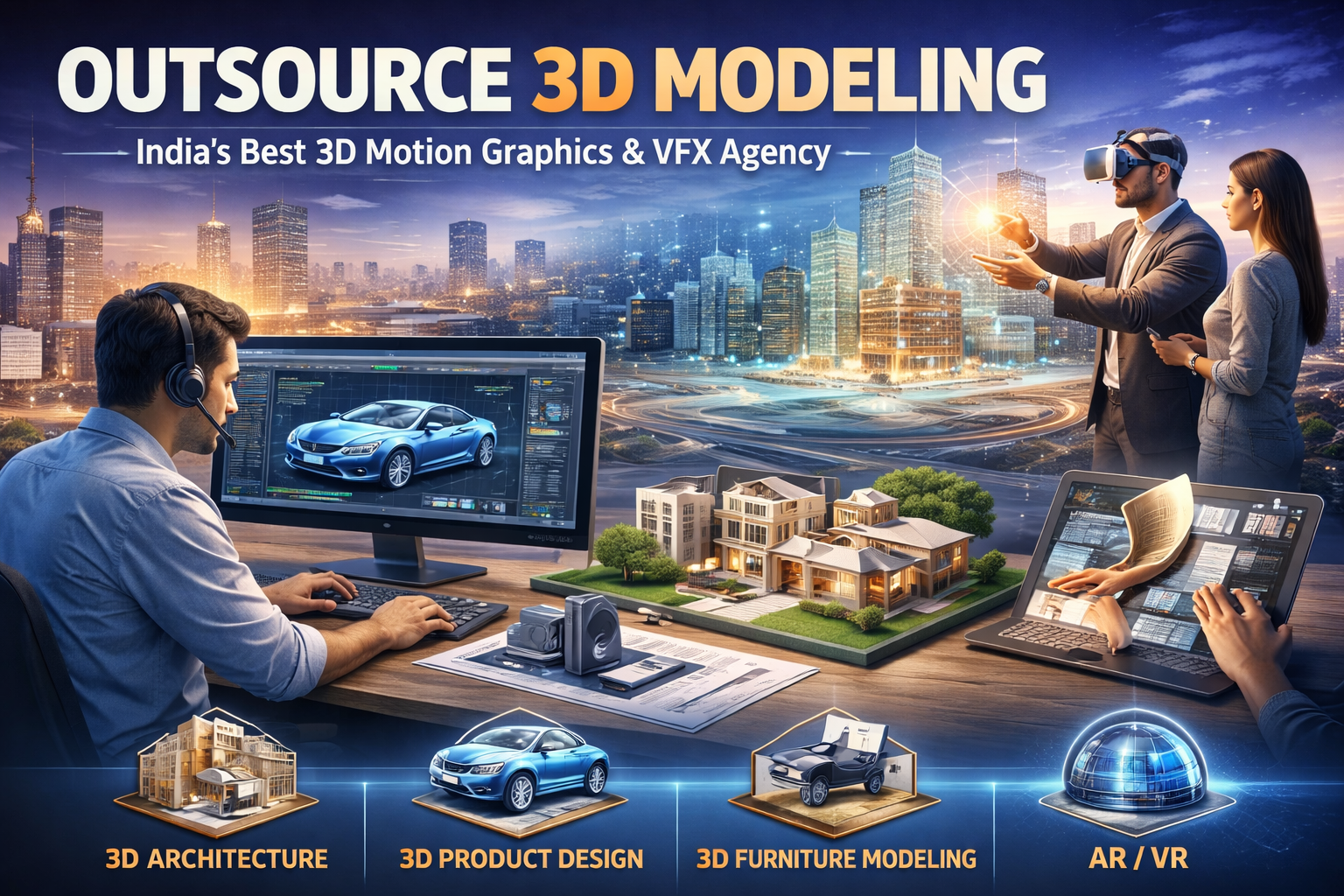
The backbone of every immersive experience is high-quality 3D assets. As the demand for these assets skyrockets, businesses are realizing that maintaining an in-house team for every specialized task is often unsustainable. This is where the strategic decision to Outsource 3D Modeling services becomes the bridge between a conceptual idea and a functional, immersive reality.
In this comprehensive exploration, we will dive into why the AR/VR ecosystem is fundamentally dependent on specialized outsourcing, focusing on 3D furniture modeling, architecture, and product design.
1. The Rise of AR/VR and the Hunger for Content
The global market for AR and VR is projected to grow exponentially over the next decade. From retail and real estate to healthcare and industrial training, every sector is looking for a piece of the “metaverse.” But there is a significant hurdle: Content Scarcity.
An AR/VR application is only as good as the models within it. If a 3D model lacks detail, the immersion is broken. If it is too “heavy” (high polygon count), the application lags, causing motion sickness in VR or crashes in AR. Achieving the perfect balance of visual fidelity and technical performance requires a level of expertise that many firms find more accessible and cost-effective through outsourcing.
2. Why “Outsource 3D Modeling Services” is the Strategic Choice
When a company decides to Outsource 3D Modeling services, they aren’t just hiring labor; they are accessing a global pool of specialized talent. Here is why AR/VR development relies so heavily on this model:
Technical Precision and Optimization
AR and VR platforms (like Unity or Unreal Engine) have strict technical requirements. Models must be optimized for real-time rendering. Professionals at specialized firms like Outsource 3D Modeling understand the nuances of “low-poly” modeling that looks “high-poly” through clever Texturing and baking techniques.
Scalability
A single VR project might require hundreds of unique assets—from chairs and lamps to complex machinery. Building these in-house can take months. Outsourcing allows firms to scale their production capacity instantly, meeting tight project deadlines without the overhead of full-time hires.
3. The Core Pillars: 3D Modeling and Design
The foundation of any virtual environment is 3d modeling and design. This process involves creating a mathematical representation of any surface of an object in three dimensions via specialized software.
In the context of AR/VR, this design phase is critical. Unlike traditional animation where you only see what the camera shows, in VR, the user can look at an object from every angle. This necessitates “watertight” modeling—ensuring there are no holes in the geometry and that every surface is accounted for.
The Role of Texturing
Texturing is the process of wrapping a 2D image around a 3D object to give it color, surface detail, and realism. In AR/VR, texturing is what differentiates a plastic-looking block from a mahogany desk. High-end outsourced services utilize PBR (Physically Based Rendering) workflows to ensure that materials react naturally to the lighting conditions within the virtual environment.
4. Revolutionizing Retail: Outsource 3D Furniture Modeling
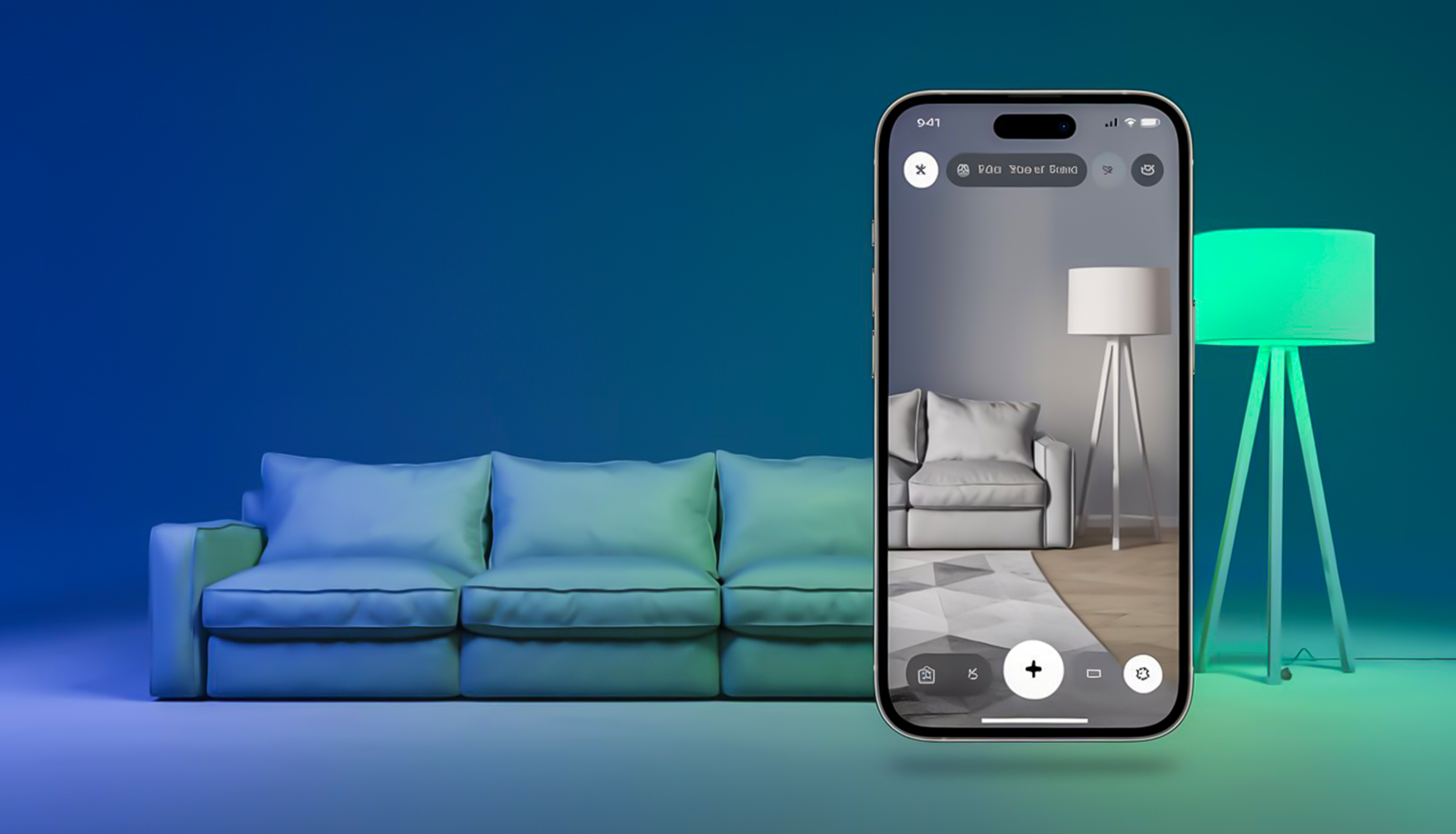
One of the biggest adopters of AR is the furniture industry. Customers now expect to see how a sofa fits in their room before clicking “buy.” This has created a massive demand to Outsource 3D Furniture Modeling.
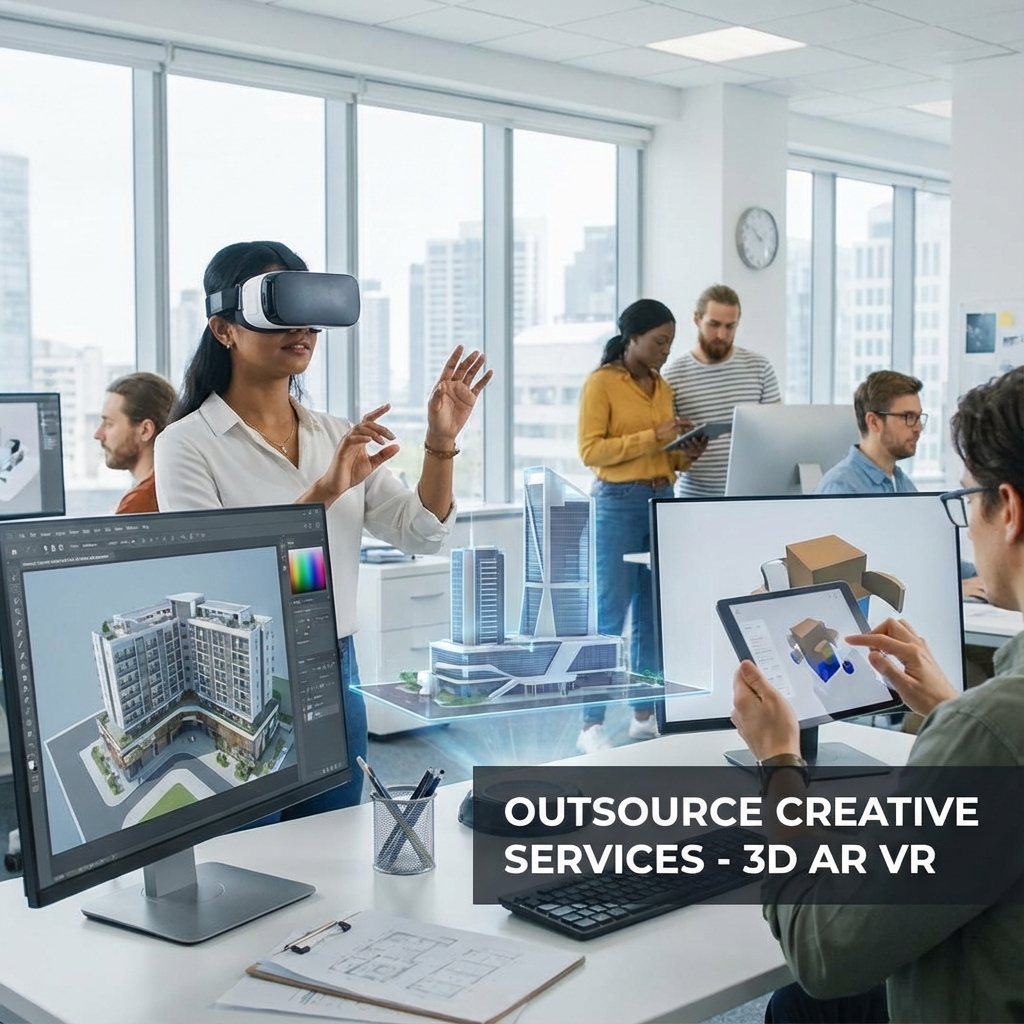
Precision in Proportion
When a user places a virtual chair in their room via AR, it must be perfectly to scale. Outsourced experts use technical blueprints to ensure that the digital twin is an exact replica of the physical product.
Material Honesty
Furniture involves complex textures—velvet, leather, brushed steel, or reclaimed wood. Outsourcing these tasks to specialists ensures that the Texturing reflects the tactile quality of the piece, which is the primary driver for consumer conversion in e-commerce.
5. 3D Architecture in the Virtual Space
3D Architecture has moved beyond static floor plans. Stakeholders now want to walk through buildings before a single brick is laid.
Virtual Walkthroughs
Outsourced 3D services take CAD files from architects and transform them into navigable VR environments. This allows for:
- Spatial Awareness: Understanding the flow of a room.
- Lighting Analysis: Seeing how sunlight interacts with the space at different times of day through advanced 3D Rendering.
By outsourcing these complex architectural visualizations, firms can focus on the design and engineering while experts handle the heavy lifting of the digital reconstruction.
6. 3D Product Design and Industrial AR
Beyond consumer goods, 3D Product Design plays a vital role in industrial AR. Engineers use AR overlays to see the internal components of a machine or to receive step-by-step repair instructions.
The models used here must be incredibly accurate. Outsourcing allows companies to convert complex engineering files into lightweight, AR-ready assets that can be used on headsets like the Microsoft HoloLens or mobile devices.
7. The Workflow: From Concept to Virtual Reality
Understanding the workflow helps illustrate why specialized outsourcing is necessary.
- Requirement Analysis: Defining the end-platform (Mobile AR vs. High-end VR).
- Geometry Creation (3D Modeling): Building the shape of the object.
- UV Mapping & Texturing: Applying the “skin” to the model.
- 3D Rendering & Baking: Pre-calculating light and shadows to ensure the model runs smoothly in real-time.
- Integration: Placing the model into the AR/VR engine.
Each of these steps requires different software proficiencies (3ds Max, Maya, ZBrush, Substance Painter), making the “all-in-one” outsourced model highly attractive for businesses.
8. The Future: AI and the Evolution of Outsourcing
As we look forward, the marriage between Augmented Reality – Virtual Reality and outsourced services will only grow tighter. With the advent of AI-assisted modeling, outsourced partners are becoming even faster, allowing for “Digital Twins” of entire cities or massive product catalogs to be created in record time.
For any business looking to stay competitive, the question is no longer if they should use 3D assets, but how they will produce them at scale. The answer lies in finding a reliable partner to Outsource 3D Modeling services.
Conclusion
The immersive digital future is built on polygons, textures, and light. To create experiences that truly resonate with users, the quality of 3D assets cannot be compromised. By leveraging Outsource 3D Furniture Modeling, specialized 3D Architecture teams, and expert 3D Rendering workflows, businesses can bridge the gap between imagination and reality.
The reliance on outsourced services isn’t just about cost-cutting; it’s about quality, speed, and technical excellence in the rapidly evolving world of Augmented Reality – Virtual Reality.
Frequently Asked Questions (FAQs)
1. Why should I Outsource 3D Modeling services instead of hiring in-house?
Outsourcing provides access to a broader range of specialized talent and high-end software without the overhead costs of salaries, licenses, and hardware. It also allows you to scale your production up or down based on project needs.
2. What is the importance of Texturing in AR/VR models?
Texturing defines the visual realism of an object. In AR/VR, where users can inspect objects closely, high-quality texturing (like PBR) ensures that surfaces like wood, metal, or fabric look and react to light realistically, maintaining immersion.
3. How does Outsource 3D Furniture Modeling benefit e-commerce businesses?
It allows retailers to create “Digital Twins” of their entire catalog. These models can be used in AR “Try-before-you-buy” apps, reducing return rates and increasing customer confidence by showing exactly how furniture fits in their space.
4. Can 3D Architecture models be used for VR walkthroughs?
Yes. By outsourcing the conversion of architectural blueprints into optimized 3D models, firms can create immersive VR experiences that allow clients to walk through a property before it is built, aiding in sales and design approvals.
5. What is the difference between 3D Modeling and 3D Rendering?
3D Modeling is the process of creating the 3D structure or “geometry” of an object. 3D Rendering is the process of generating a final 2D image or interactive view from that model, applying lighting, shadows, and effects to make it look real.
6. Is 3D Product Design only for consumer goods?
No. 3D Product Design is essential for industrial applications, medical devices, and automotive engineering. These models are often used in AR for training, maintenance, and prototyping, requiring high levels of technical accuracy.
Related Blogs
Art assets in different styles like 2D art for interactive applications, Games, and UI. We are having more than 15 years of experience